
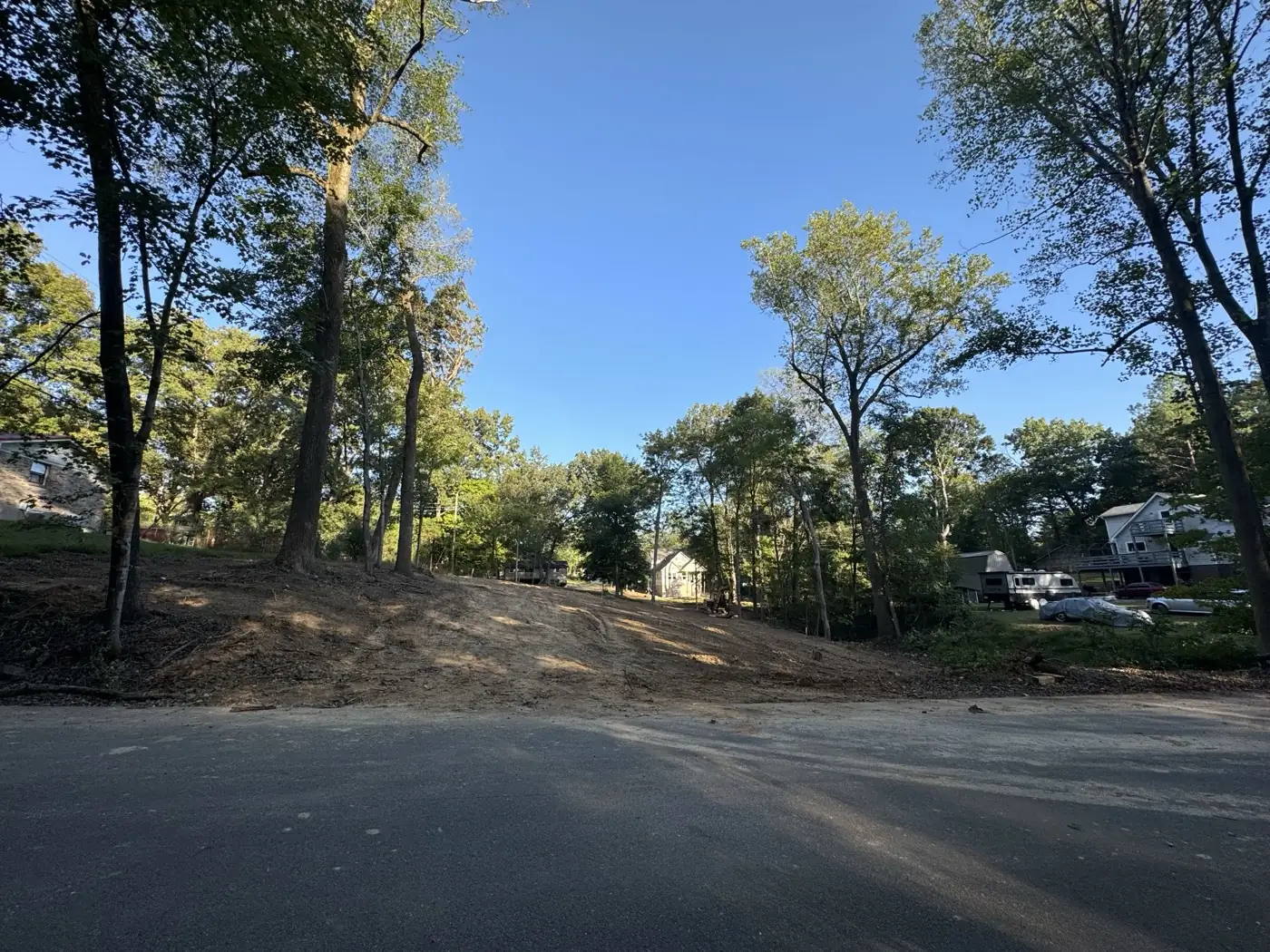
Land Clearing
We clear lots and acreage of trees, brush, and stumps across Montgomery County and Middle Tennessee. The ground gets cleaned up so it is ready to build on or put back into pasture.
Learn More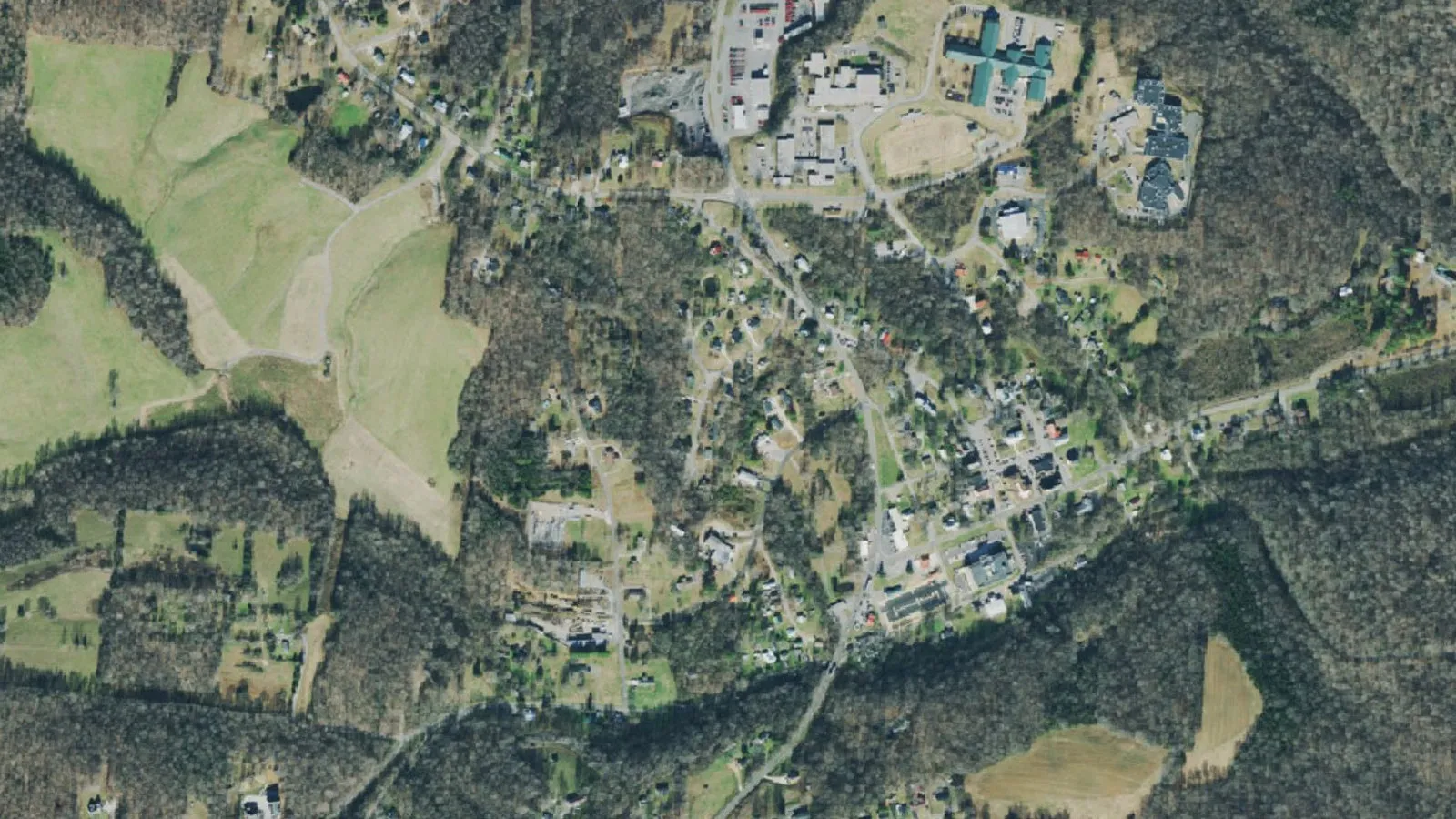
Charlotte sits among the hills of the western Highland Rim, nearly halfway between Dickson and Ashland City. On a sloped lot, a house pad means cutting into the hill and putting that dirt to use. The town also gets about 52 inches of rain and melted snow in an average year. That water has to leave the pad, the drive and the yard without washing them out.
Wilson Forestry and Excavating is an excavation contractor based in Woodlawn, just west of Clarksville. We cover Charlotte, TN, about 27 miles southeast of us as the crow flies. We travel there for excavation and dirt work and land clearing on lots and acreage. Call or text (931) 572-8673 for a free estimate.
Tell us about the job and the ground. We will get right back to you.
Under the western Highland Rim, the bedrock is chiefly limestone, chert, shale and sandstone. Where rock sits close to the surface, it changes how a basement or a footing trench gets dug. We look at the ground before we price the dig and plan the cut around what is there.
Charlotte counted 1,656 people in 2020, up from 1,153 in 2000. Builders and commercial contractors bring us most of our excavation work. That work means digging foundations and basements, cutting building pads and moving dirt around the site. Site prep and grading then shapes the lot so water runs off the right way.
Town Branch, a small stream in the Cumberland River watershed, runs through Charlotte from west to east. Lots near a creek can fall in a floodplain. Outside the city limits, a county building site in a floodplain has to show its lowest floor's elevation. That rule comes from the Dickson County Floodplain Zoning Resolution, and it goes on the site plan.
General James Robertson built the first furnace at Cumberland Furnace, north of Charlotte, in 1793. Montgomery Bell bought the iron works in 1804. By 1808 he was buying wood for charcoal to fuel his furnaces. Charlotte itself is named for Robertson's wife, Charlotte Reeves Robertson.
A wooded lot has to be opened up before a pad or a drive goes in. We clear house sites, lot lines and acreage of trees, brush and stumps. An excavator with a thumb pulls the stumps, and the cleanup leaves the ground usable or build-ready.
Where you want the big trees to stay, forestry mulching grinds brush, saplings and undergrowth in place. The ground-up brush stays on the site as mulch. We wrote a guide to Tennessee land clearing permits that covers burn permits and the state stormwater rule.
The legislature established Charlotte in 1804 as the Dickson County seat, and it was once considered for the state capital. On May 30, 1830, a tornado destroyed most of downtown. The courthouse roof was found 13 miles away, and most of the county's early records were lost. The new courthouse, finished in 1833, still stands as the oldest functioning courthouse in Tennessee.
Outside the city limits, Dickson County issues building permits, and only to the land owner or a contractor. The deed must be recorded in the owner's name before the owner applies. The county also wants a copy of the septic permit or proof of sewer, plus a 911 address. A site plan shows the lot's shape and dimensions and every structure on it.
Inside the city limits, the City of Charlotte handles building, planning and zoning. It uses a consultant, a Planning Committee and a Board of Zoning Appeals, and it runs its own sewer system. Check with the city about your lot before the dig gets scheduled.
On a septic lot, we clear the area and dig for the system. A licensed septic installer puts the system in. For underground utilities, we trench and backfill for water lines, electrical conduit, and sewer and septic lines. Tennessee 811 gets notice at least 3 and no more than 10 working days before digging starts.
Charlotte thrived as a stagecoach hub for much of the 1800s, until the railroad shifted industry to Dickson. Today State Route 48 and State Route 49 meet just west of the court square. SR 48 runs north to Clarksville and southwest to Dickson and US 70. From Vanleer, SR 49 runs through more hills and farmland before it enters Charlotte.
A new driveway that connects to a county road needs a Dickson County driveway permit before it is built. The county highway department issues it, and the Planning, Zoning and Codes Department can too. Every driveway has to be at least 20 feet wide. The county also requires erosion control that keeps material out of the road and its ditches.
The county does a final inspection of the finished drive. We build gravel driveways and access roads, including farm roads and construction entrances. Our roots are in building roads for a timber company's log trucks and heavy equipment.
If an old house, barn or shed stands where the new work goes, demolition comes first. We take down old houses, barns, sheds and other outbuildings, load the debris out and clear the spot. After a house comes down, we can regrade the lot for what gets built next.
Communities and areas we serve around Charlotte: Court Square, Town Branch, Highway 48 North, Bowker Road, Cumberland Furnace, Vanleer, Promise Land, Jones Creek, White Bluff, Dickson.
Charlotte ZIP codes served: 37036, 37051, 37181.
Free estimates throughout Dickson County and the surrounding area.
(931) 572-8673 We clear lots and acreage of trees, brush, and stumps across Montgomery County and Middle Tennessee. The ground gets cleaned up so it is ready to build on or put back into pasture.
Learn More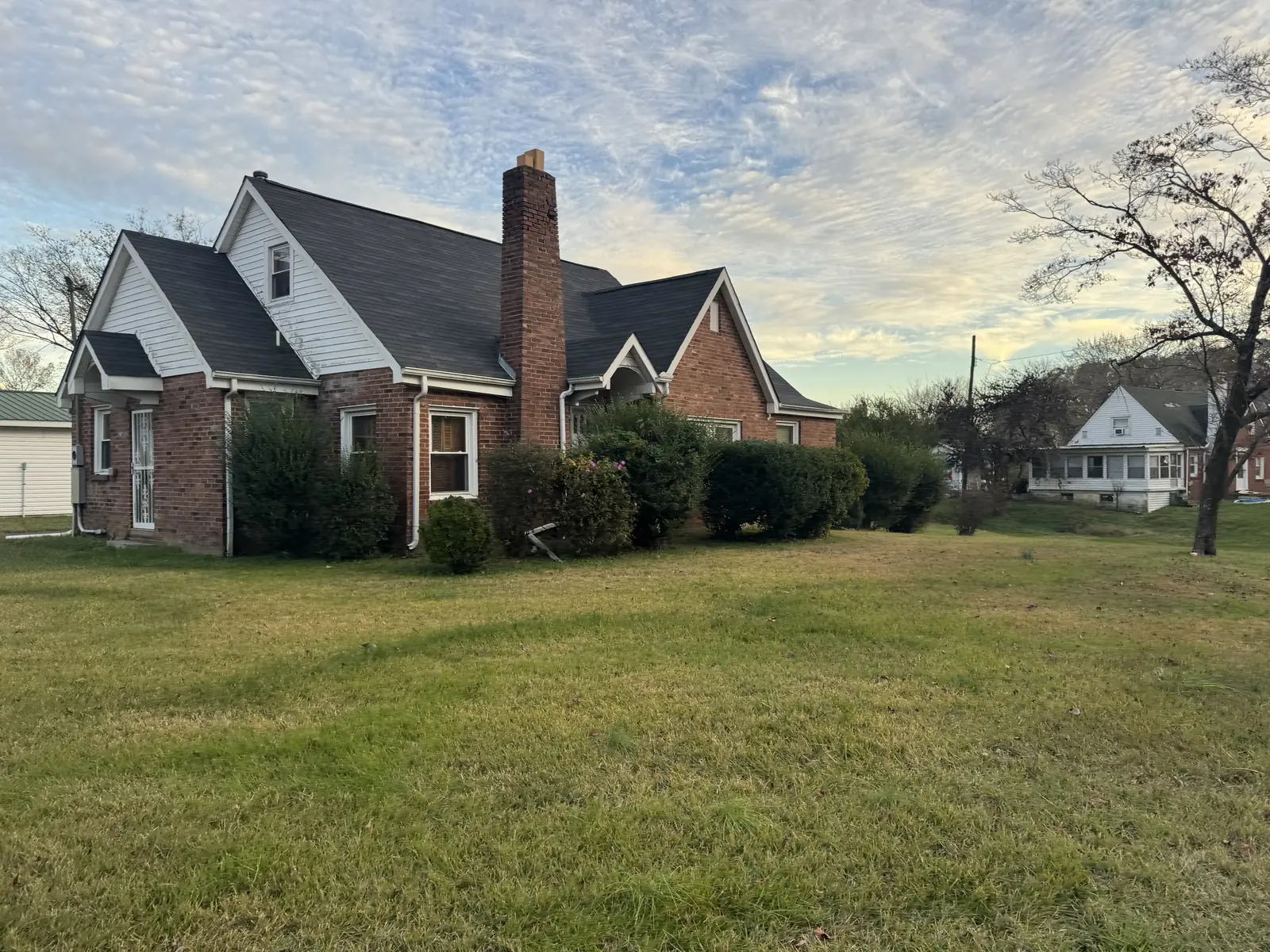
We tear down houses and other residential structures, barns, sheds and detached garages, load the debris out, and leave the lot cleared. Builders call us to take an old house down and regrade the lot for new ones.
Learn More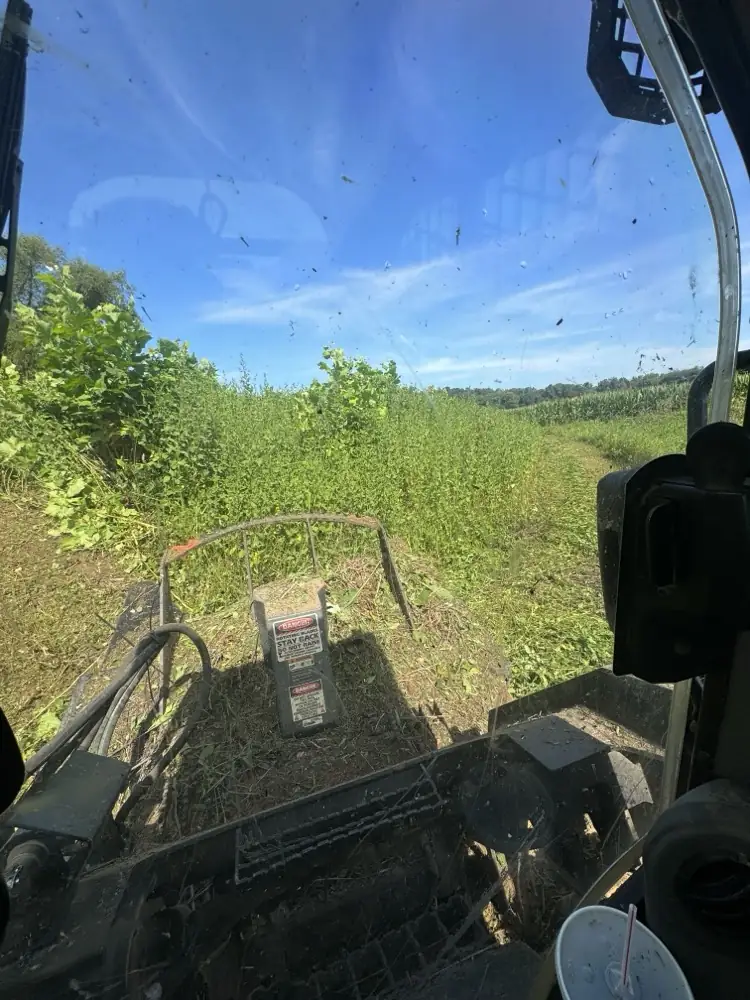
A skid steer with a forestry mulcher head grinds brush, saplings, and undergrowth into mulch right where it stands. We also bush hog overgrown fields and pastures back to usable ground.
Learn More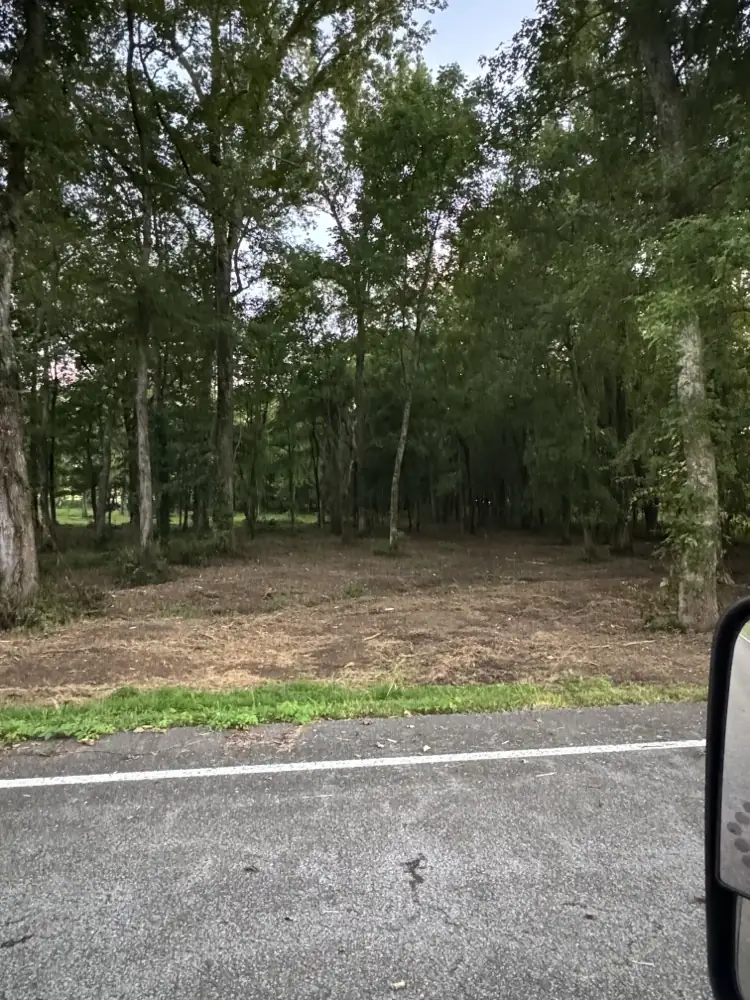
Underbrushing clears brush, briars and saplings out from under the trees you keep. Privet and honeysuckle thickets become mulch on the ground, and the hardwoods stay standing.
Learn More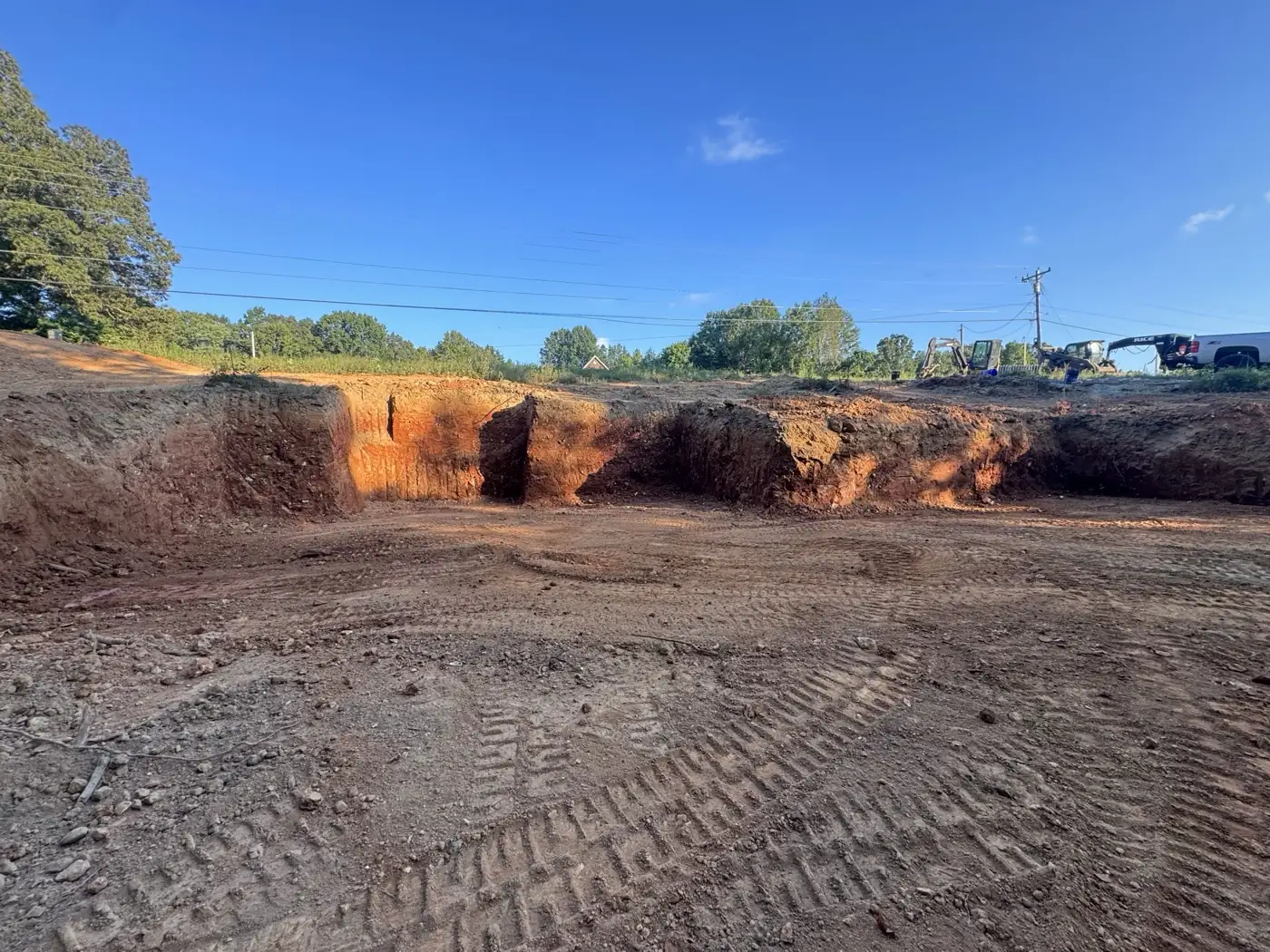
We handle the dirt work before a build: building pads, cut and fill, rough and finish grading, and driveway cuts. The ground ends up level where it should be and sloped so water leaves the site.
Learn More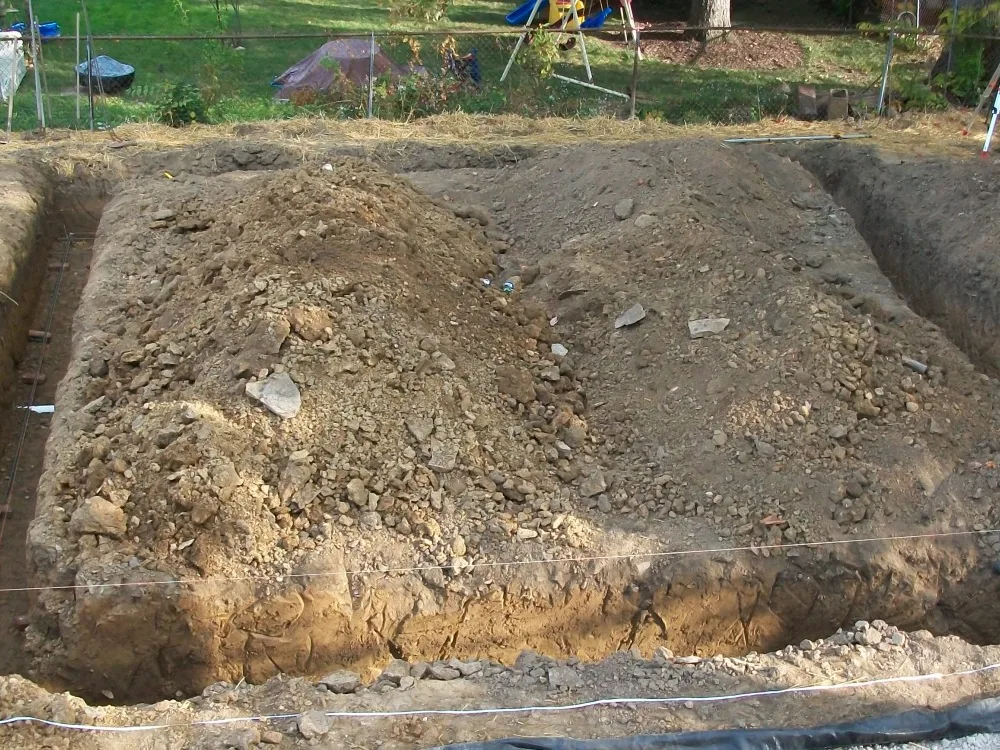
We dig footers, crawl space and slab perimeters, and basement holes to the line and depth on the plans. A concrete crew forms and pours, and we backfill once the walls are ready.
Learn More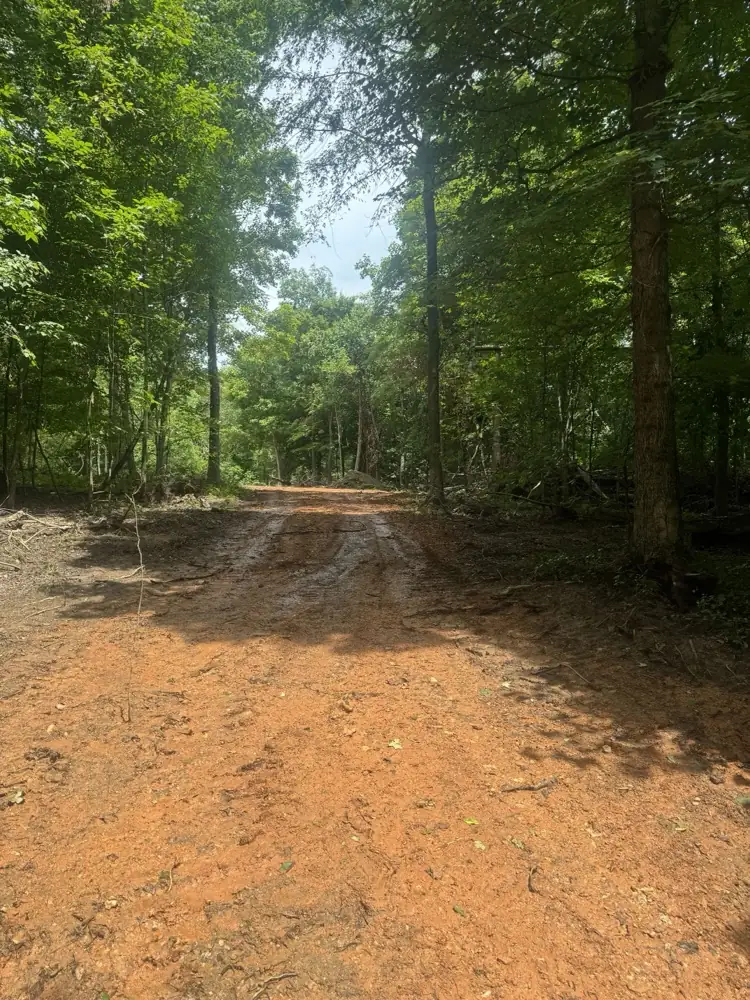
We build new gravel driveways, farm roads and access roads across Montgomery County and out toward Nashville. The road bed gets cut and stoned, then crowned so water sheds off instead of standing in the tracks.
Learn More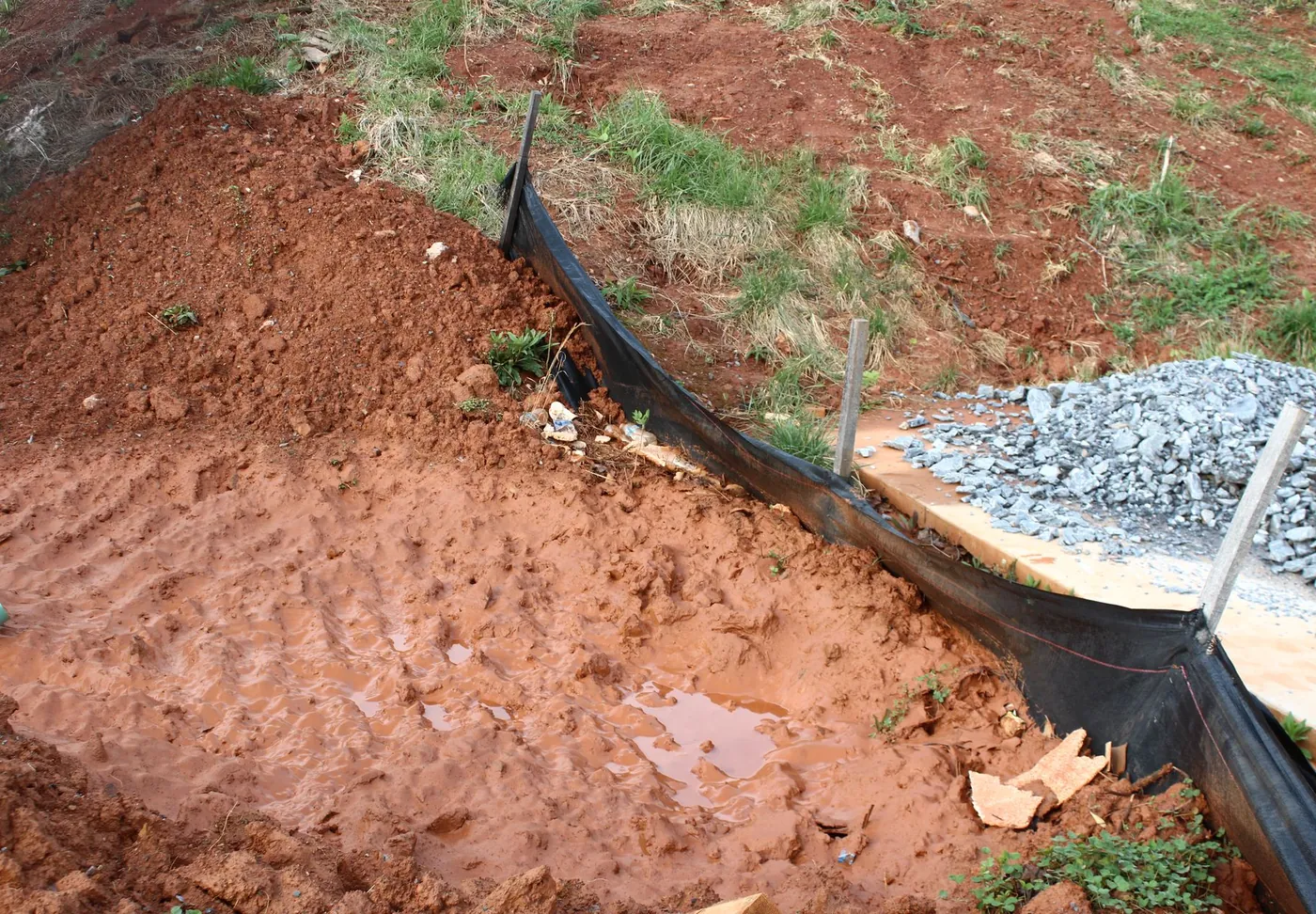
We install erosion control measures that keep soil on site and out of the ditch: silt fence, rock check dams, riprap and seeding.
Learn More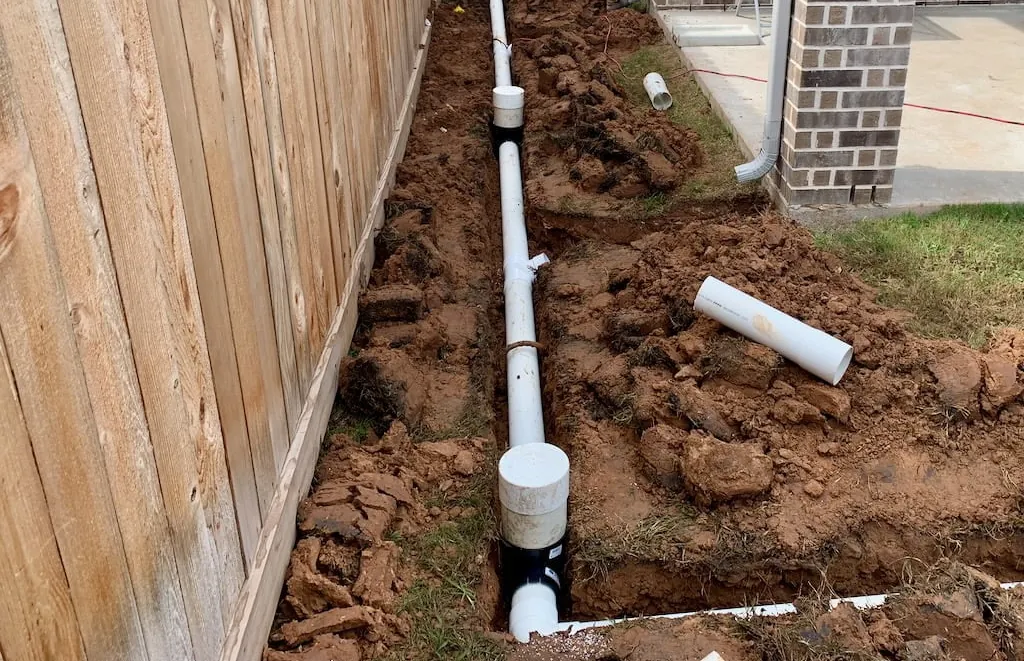
Water standing in the yard or against the house needs a way out. We regrade the ground and put in French drains and pipe that carry it off.
Learn More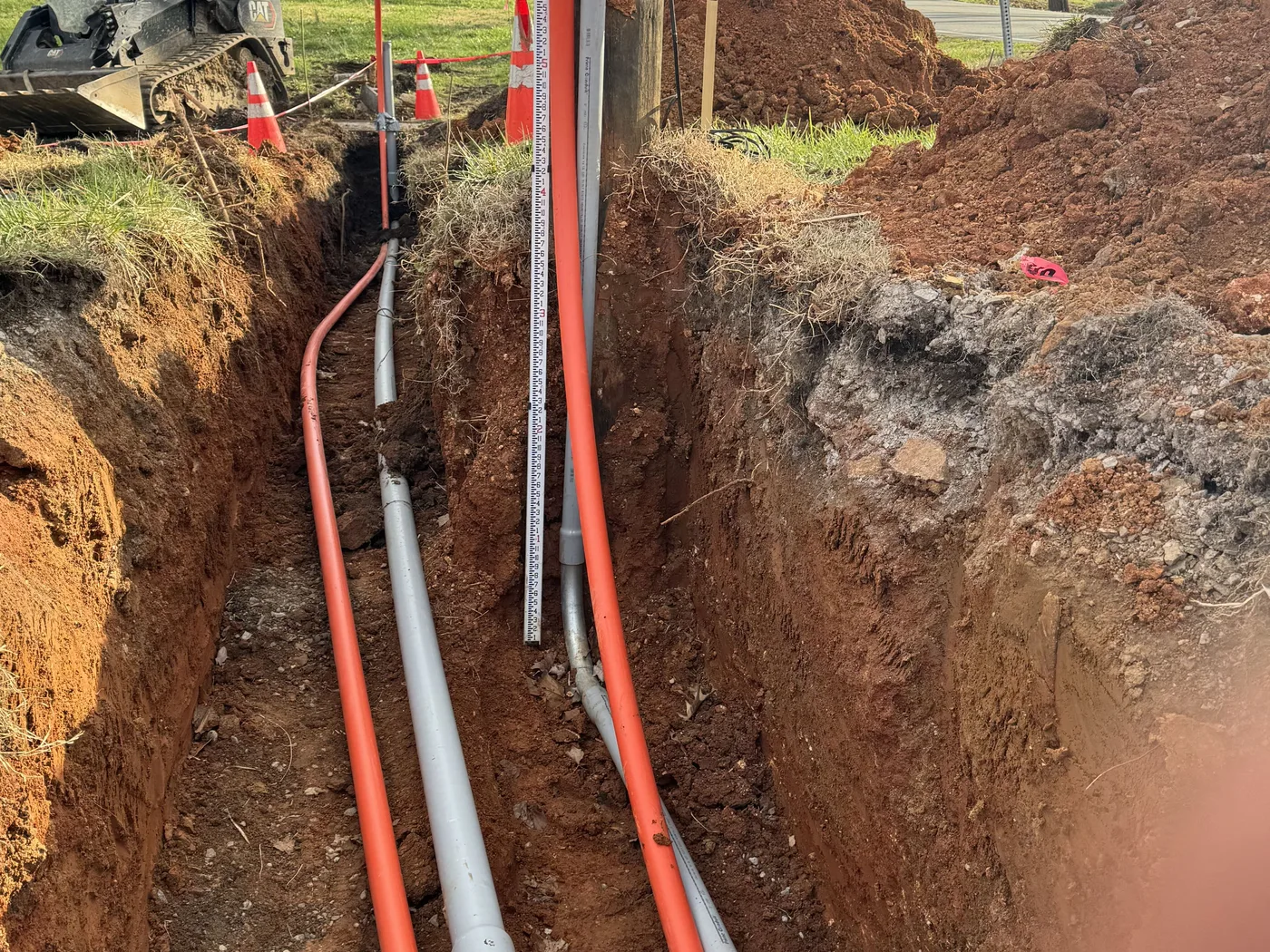
We trench and backfill for water lines, electrical conduit, sewer lines, and septic lines. Your plumber or electrician makes the connections, and we handle the digging and the ground work.
Learn More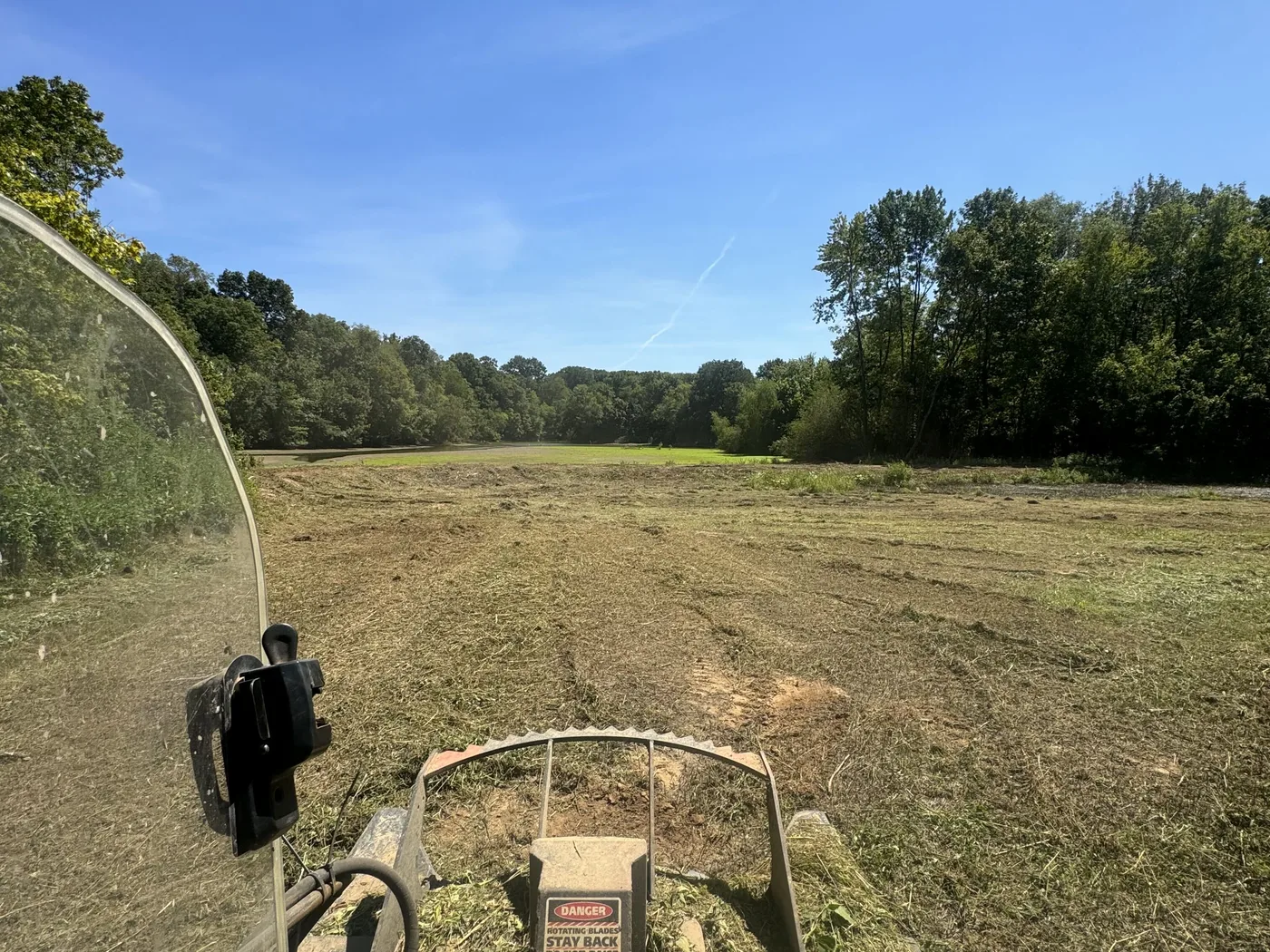
A rotary brush cutter on the skid steer knocks tall grass, weeds, and briars flat. One pass puts an overgrown field or pasture back to open ground you can use.
Learn More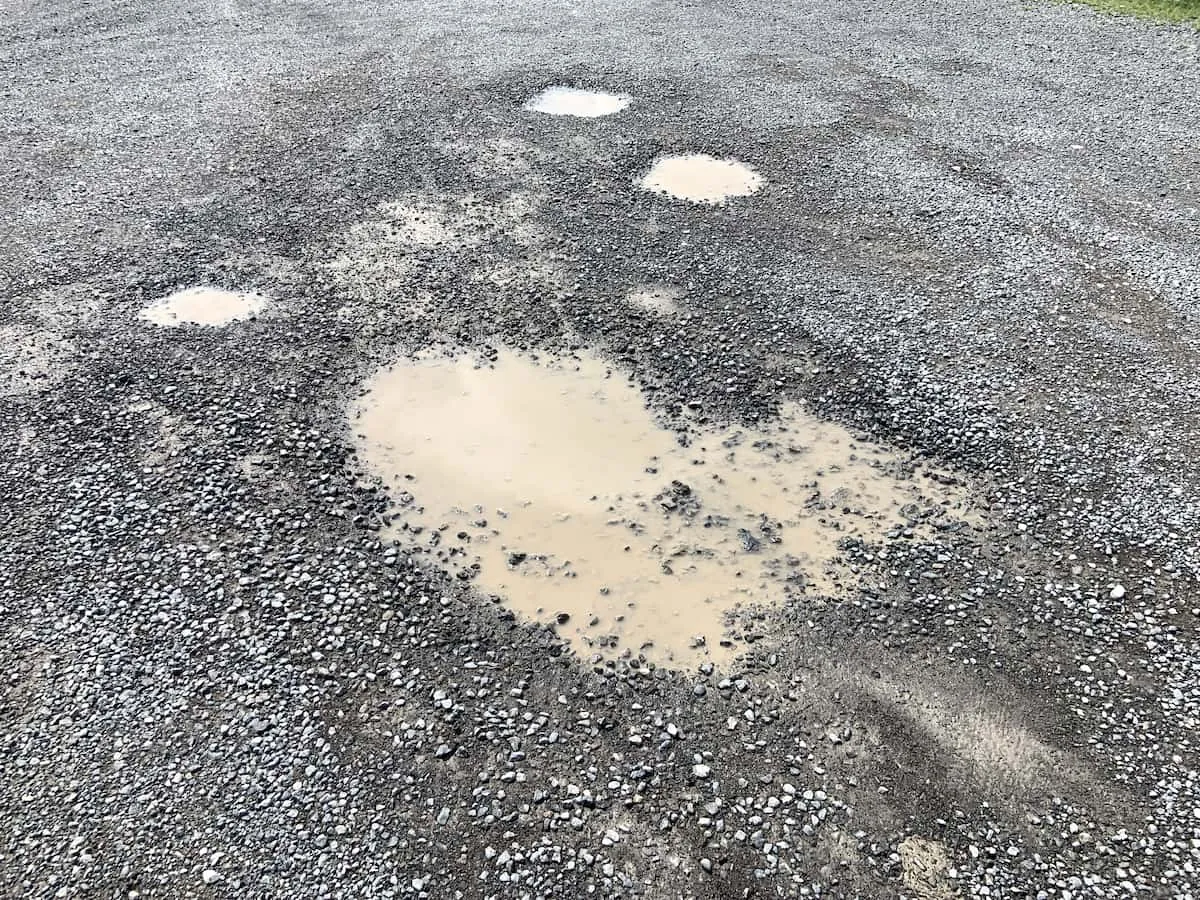
We fix gravel driveways and farm roads that have gone rough. The old surface gets cut loose, reshaped and crowned, then new stone goes on top.
Learn MoreA few of the questions we hear most around Charlotte. If yours is not here, call or text and ask.
Tell us what the job is and where the property sits, and we will get you an estimate. You can also call or text (931) 572-8673 if that is faster.
Tell us about the job and the ground. We will get right back to you.